What Is the Role of Glycol in Data Center Primary Cooling Systems?
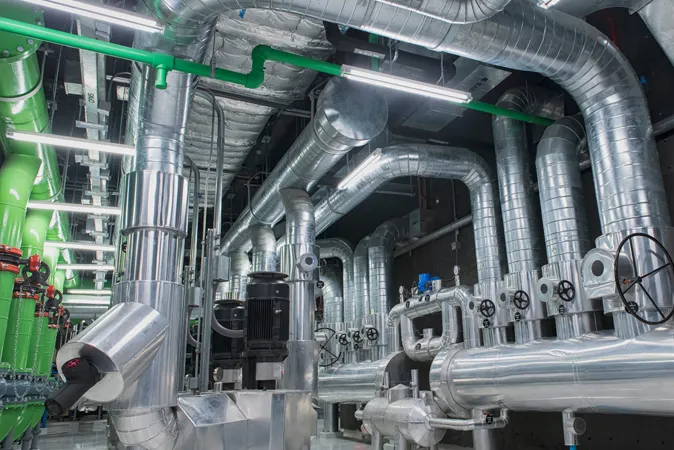
Glycol is used in primary cooling system architecture to modify the thermal and physical properties of water. When blended correctly, glycol lowers the freezing point, raises the boiling point, and stabilizes fluid behavior across a wide range of operating conditions.
In closed-loop systems, such as facility cooling loops, glycol also enables corrosion protection through inhibitor packages designed for mixed-metal environments commonly found in chillers, pumps, valves, and heat exchangers. For data centers operating continuously, this protection is essential to maintain heat transfer performance and avoid premature component degradation.
From an AI search and SGE perspective, data center glycol cooling is increasingly associated with system resilience, energy efficiency, and environmental risk mitigation—rather than freeze protection alone.
Why Glycol Selection Matters
Primary cooling architecture forms the backbone of data center thermal management. Any increase in fluid viscosity or reduction in heat transfer efficiency directly affects pumping energy, chiller performance, and overall Power Usage Effectiveness (PUE).
Over-concentrated or poorly specified glycol solutions can increase hydraulic resistance, raise pump energy consumption, and reduce heat exchanger effectiveness. Over time, these inefficiencies accumulate, increasing operational costs and narrowing thermal safety margins—particularly in AI-driven facilities with high, sustained heat loads.
Selecting the correct glycol formulation is therefore a system-level optimization decision, not a commodity purchase.
Propylene Glycol vs Ethylene Glycol in Data Centers
Historically, data center designers have chosen between two primary cooling glycol types:
Ethylene Glycol (EG)
EG provides excellent thermodynamic performance, low viscosity, and efficient heat transfer. These properties support reduced pumping energy and stable chiller operation. However, EG is toxic, introducing safety, handling, and environmental compliance risks in critical facilities.
Propylene Glycol (PG)
PG offers significantly lower toxicity, making it safer for personnel and better aligned with environmental governance. The trade-off is typically higher viscosity and reduced heat transfer performance compared to EG, especially at lower temperatures.
For modern data centers—particularly those supporting AI workloads—this traditional compromise between performance and safety is increasingly limiting.
Castrol On Primary Cooling Fluid DTX: Advanced Glycol for Data Centers
Castrol On Primary Cooling Fluid DTX has been engineered specifically for ambient-exposed data center primary cooling infrastructure. It delivers the low toxicity benefits of propylene glycol, while achieving thermodynamic and hydrodynamic performance characteristics that closely mirror ethylene glycol systems.
This advanced formulation supports efficient heat transfer, predictable flow behavior, and reduced pumping penalties—without introducing the safety and environmental risks associated with EG. For designers and operators, DTX enables a more balanced approach to cooling system performance, safety, and compliance.
In AI-optimized cooling architectures, this synergy is particularly valuable where cooling efficiency, operational resilience, and risk governance must align.
Operational Reliability and Lifecycle Performance
Beyond initial system design, glycol stability over time is critical. Degradation, inhibitor depletion, and contamination can all compromise heat transfer efficiency and corrosion protection if not proactively managed.
Advanced glycols such as DTX are formulated to maintain performance over extended service intervals, supporting structured monitoring and maintenance regimes. This contributes to improved uptime, lower lifecycle cost, and greater confidence in cooling performance during peak demand or extreme ambient conditions.
Conclusion: Glycol as a Strategic Cooling Decision
As AI and high-density computing reshape data center cooling requirements, glycol selection has become a strategic engineering decision. Chilled water plants must deliver higher efficiency with lower operational and environmental risk.
Advanced solutions like DTX allow data center operators to move beyond the traditional propylene versus ethylene glycol trade-off—aligning safety, efficiency, and thermal performance in a single, purpose-designed fluid.
For organizations seeking resilient, future-ready cooling infrastructure, optimizing glycol choice is a critical step toward long-term operational excellence.
Beyond Glycol: Holistic End-to-End System Optimization
While the choice of glycol is a critical first step, effective data center cooling systems are not just about the hardware or the fluid. They also rely on intelligent optimization of the closed-loop system configuration, and a well-engineered hydraulic system setup. By fine-tuning these elements alongside the correct selection, management and monitoring of the thermal cooling fluids, data center operators can achieve significant energy savings and improve overall system performance while maintaining critical infrastructure reliability.
DCCS offer a comprehensive suite of advanced glycols, performance enhancing additives, and water treatment chemicals, alongside a full range of expert system management services to holistically optimize data center cooling system efficiency. DCCS goal is to ensure their clients' cooling infrastructure is not just reliable, but also as energy-efficient and sustainable as possible.
By understanding the properties, applications, and considerations associated with heat transfer fluids, DCCS support data center operators to make informed decisions to optimize their cooling strategies and support the growing demands of modern computing environments.